A quiet break in a hotel room can include reading about games without making the gaming floor the centre of the stay. Online demonstrations offer another screen to examine, but the numbers need context. An iGaming paytable becomes useful when the reader can connect its symbols and multipliers to the exact mode, settings and units shown by the loaded game.
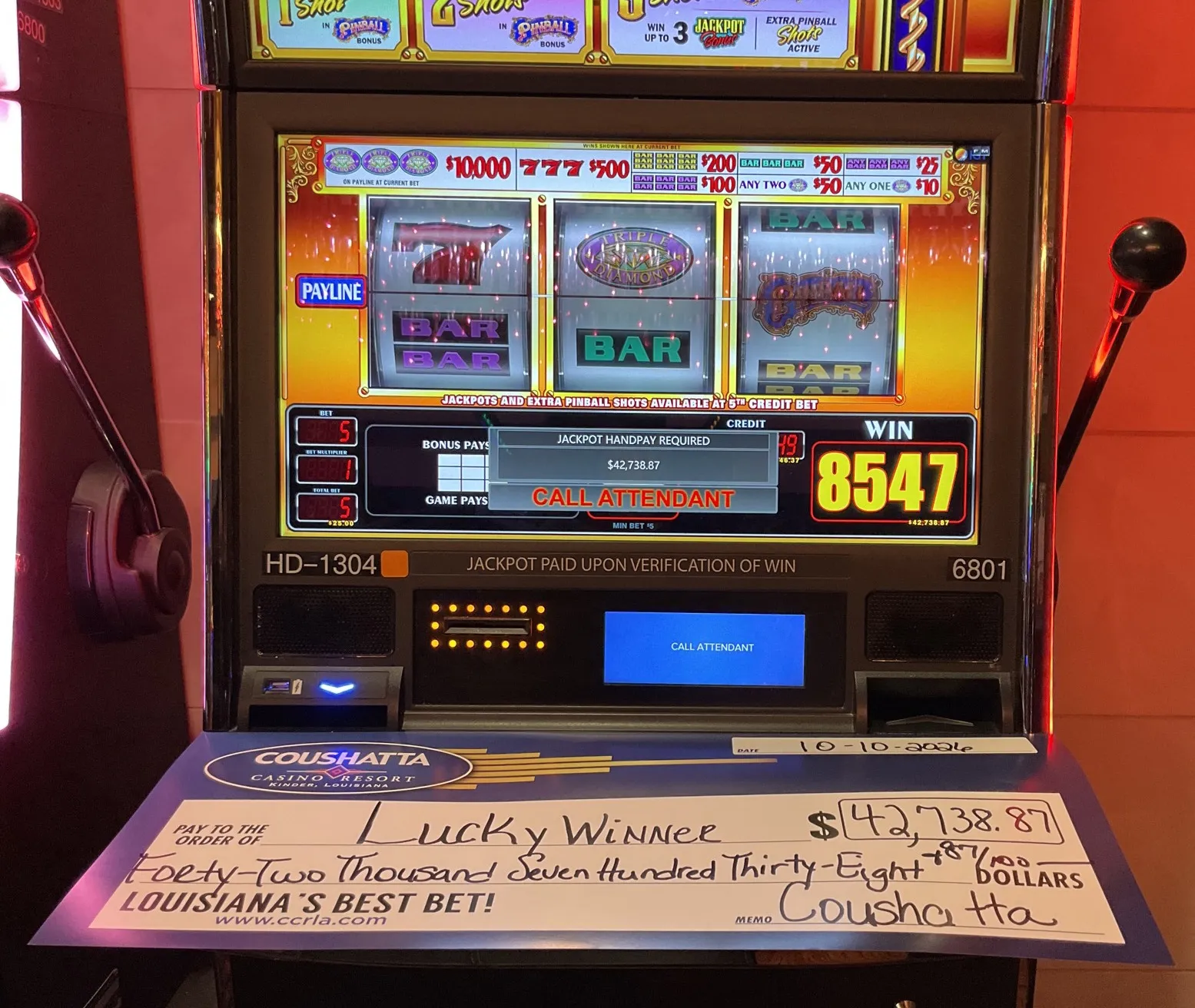
Name the unit before comparing the amount
A balance may be expressed as fictional demo credits, coins or a currency amount. Those labels are not interchangeable. First identify whether the screen is a demonstration and what the balance represents. Do not infer cash value or withdrawal rights from a currency-shaped symbol alone. This article is a method for reading displays, not a description of a particular operator’s service.
The selected stake needs the same attention. A small number beside one control might refer to a coin value, a line setting or the complete cost of a round. Locate the total stake label and read any explanation attached to it. When a control changes, check whether the displayed paytable values also change; otherwise two screenshots may describe different settings.
Useful labels to identify
- The game title and the mode currently loaded.
- The balance unit and the total stake per round.
- The rule that explains a displayed multiplier or award.
Follow the rule behind the symbol
Open the help panel before treating a familiar symbol as evidence of a familiar rule. A wild may have restrictions, a scatter may require a particular count, and a feature name may cover more than one mechanism. Read the conditions in the loaded version. Similar artwork or a shared title does not establish that two demonstrations use identical settings or feature behaviour.
| Screen item | Question to answer |
|---|---|
| Multiplier | Which stake or award does it multiply? |
| Result label | Does it include the returned stake? |
| Feature symbol | What exact condition activates it? |
An iGaming paytable may express an award as a multiple rather than a fixed number. If the help text does not say which base applies, leave the interpretation open. Guessing can make a small-looking figure seem larger or a returned stake look like a profit. Asking one precise question is more useful than copying an unexplained figure into a comparison.
Keep the round separate from the animation
For a fictional example, imagine a demonstration balance of 100 units and a total stake of five units. If the round returns three units, the resulting balance is 98, provided no other adjustment applies. The screen may celebrate the returned amount, yet the balance has fallen by two. This arithmetic explains that example only; it does not establish a game’s rules or future results.
A short reading sequence
- Note the mode, balance unit and complete stake before a round.
- Wait until the round and any linked feature have finished.
- Compare the final balance with the starting balance and help text.
One observed result cannot show how often a feature will appear or predict what happens next. A demonstration is useful for understanding controls and wording, while the conditions of another mode require their own reading. If a panel remains unclear, stop the comparison there. No further round is needed to justify admitting that a label has not yet been understood.
For October 2026 reading, record the date and the version details you can actually see, rather than assuming a saved guide remains current. Keep screen time separate from meals and rest. The articles on room comfort and an unhurried resort evening put this small activity back into the wider stay.
Author’s opinion
I find an iGaming paytable most helpful when every number can be named in a plain sentence. Emmeline Hazel Brookford’s view is that understanding one setting is a better use of a short break than collecting dramatic screenshots. If the unit, stake or return remains uncertain, closing the game and keeping the question is a perfectly useful ending.